Hardwood Floor Patterns: Herringbone, Chevron, Plank and What Each One Costs
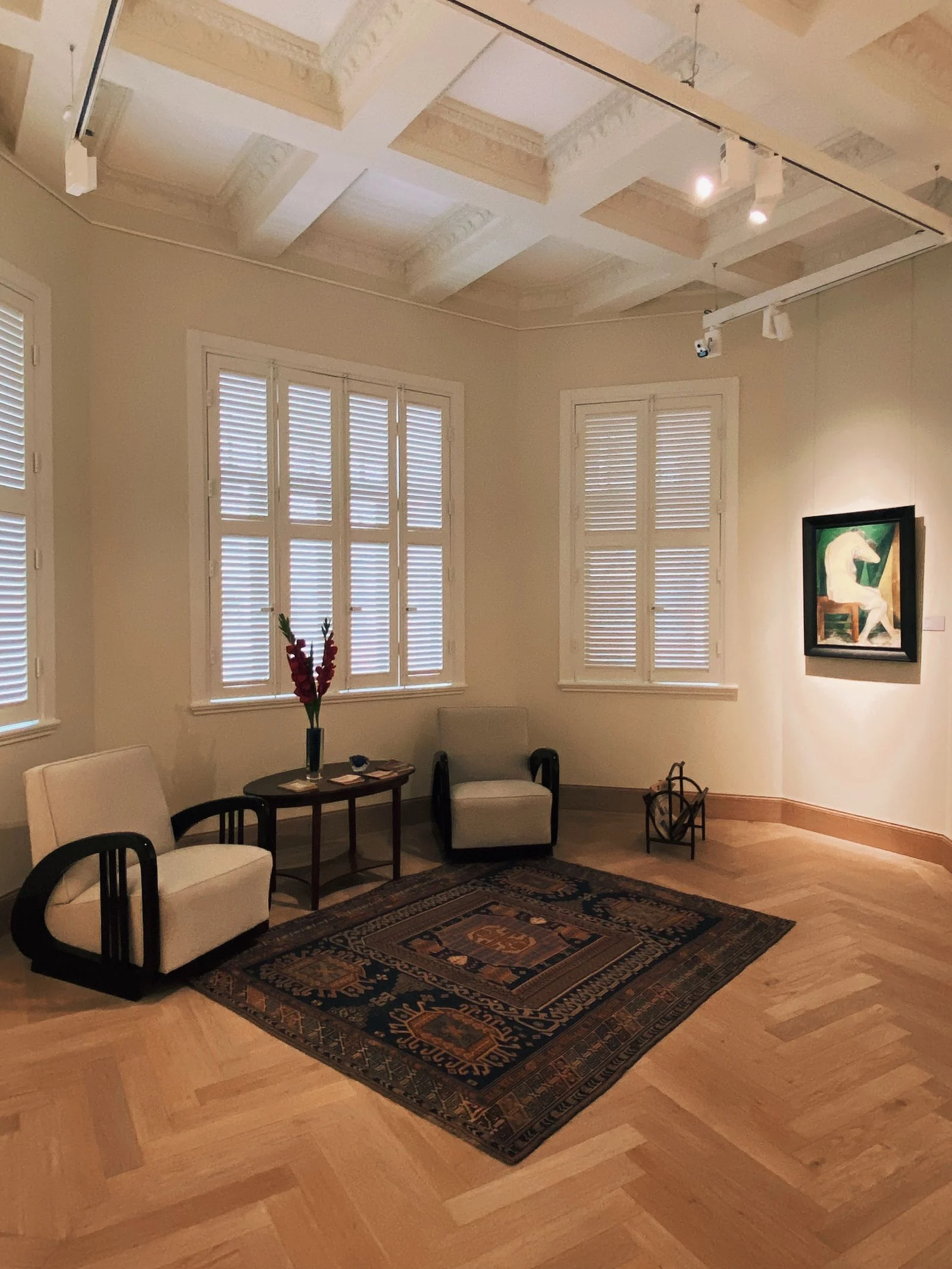
The same white oak floor can look plain or expensive depending on one decision: the pattern it is laid in. Straight planks are the default in most American homes, but herringbone, chevron, parquet and bordered layouts turn the floor itself into the feature of the room. Patterns are not free, though: they change how much wood you buy, how long the installer is in your house, and which type of flooring you can even use. This guide covers the main patterns, what each does to a room, and what each typically costs to install in the US.
Quick Facts
- Straight plank is the baseline: 5–10% cutting waste and the lowest labor cost of any pattern
- Herringbone uses rectangular blocks laid at 90° angles; chevron uses boards cut at an angle so the points meet in a continuous V
- Patterned layouts typically need 10–20% extra material for waste
- Installed cost for a patterned floor commonly runs 20–50% more than the same wood laid straight, mostly in labor
- Most installers prefer engineered wood for patterns because the blocks stay dimensionally stable
- Wide plank (5 inches and up) suits big rooms; small blocks and busy patterns overwhelm small ones
The Main Patterns, One by One
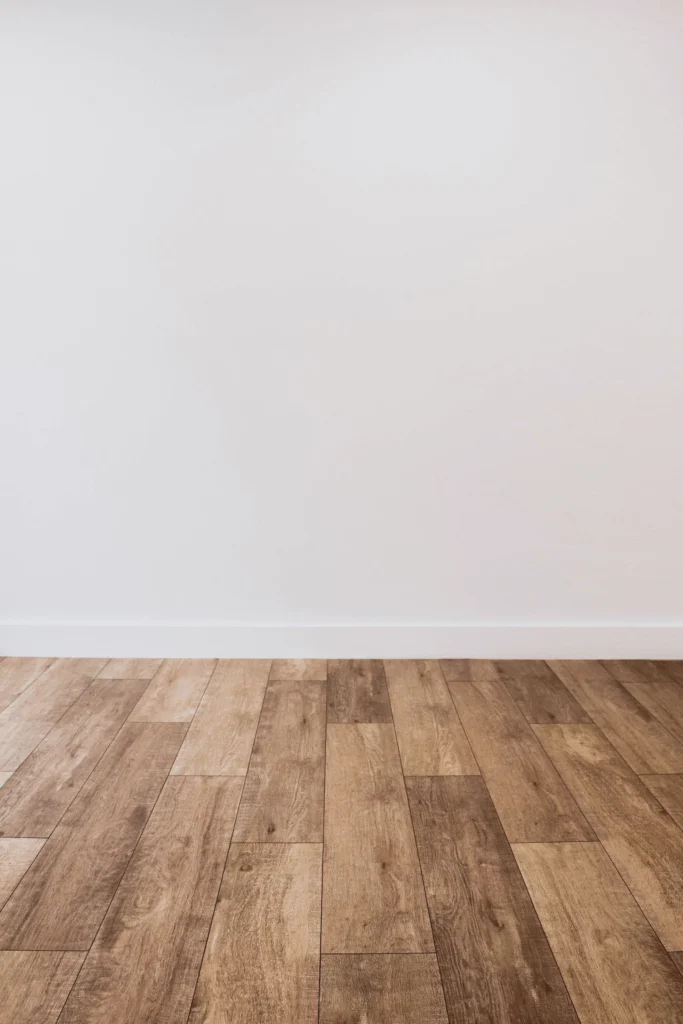
Straight plank. Boards run parallel, end joints staggered. It is the fastest layout to install, wastes the least wood, and works with every species, width and product type. Run planks along the longest wall to make a room feel longer, or toward the main light source to hide seams. A clean straight floor never fights the furniture.
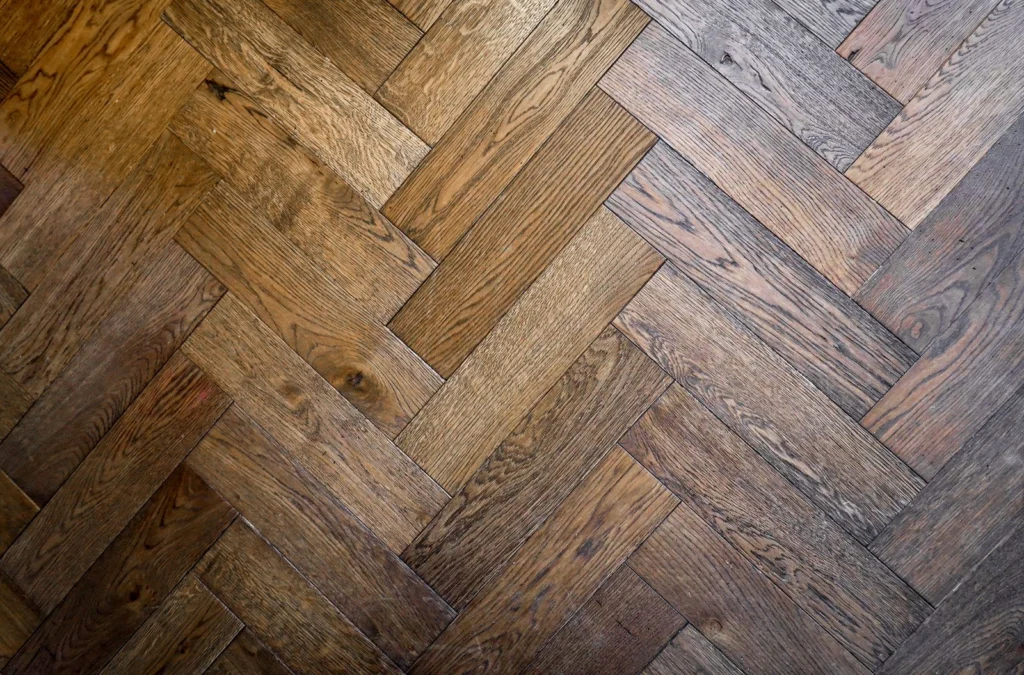
Herringbone. Short rectangular blocks, usually 3 inches wide by 14–18 inches long, laid so the end of one block meets the side of the next at a right angle. The result is a broken zigzag with real movement. Used in European floors for centuries, it reads as classic rather than trendy, suits entries, dining and living rooms, and forgives wavy old-house walls better than patterns needing one long straight line.
Chevron. Boards are cut at an angle, typically 45°, and meet point to point, forming a continuous zigzag that runs the length of the room. Where herringbone looks woven, chevron looks directed: it pulls the eye forward, suiting hallways and long living rooms. Because every board end is a precision miter, chevron material costs more, and installers charge more to lay it.
Parquet: basketweave, Versailles and fingerblock. Basketweave alternates small blocks horizontally and vertically so the floor looks woven. Versailles panels copy the interlaced squares of the French palace floors and come as pre-assembled engineered tiles. Fingerblock groups five or six thin fingers into squares that alternate direction. All three feel formal and traditional, and all are labor-heavy.
Diagonal. Any plank floor turned 45° to the walls. It makes narrow rooms read wider and hides walls that are not square, at the price of more cuts — the cheapest way to make a standard plank floor look deliberate.
Border and inlay. A field of straight or herringbone floor framed by a contrasting border strip, sometimes with a medallion inlay in an entry. Borders cost little material but real installer time, and only make sense in rooms with a clear rectangle to frame.
Herringbone vs Chevron: The Difference That Matters
Homeowners mix these two up, and the confusion is expensive: the products are not interchangeable. Herringbone blocks are plain rectangles with square-cut ends; the pattern comes from the layout, not the cut. Chevron boards are parallelograms, ends mitered so two boards form a perfect point — a specific manufactured product, sold pre-cut, while herringbone can be built from standard blocks. Herringbone’s broken zigzag hides minor gaps and subfloor waviness better. Chevron’s unbroken lines show every error, which is why installers quote more for it and why it demands a flatter subfloor. Herringbone feels traditional and textured; chevron feels sharper and more modern. If a wall treatment like wall panel molding is also planned, decide the floor first — a busy floor plus busy walls is a room that never settles down.
Which Pattern Suits Your Room
Pattern is a scale decision before it is a style decision. Small rooms — powder rooms, small bedrooms, short entries — handle small-scale patterns well: herringbone and fingerblock read as texture rather than noise, while wide planks look borrowed from a bigger house. Large open-plan spaces need the opposite: wide straight plank, long chevron runs, or Versailles panels — tiny blocks in a 600-square-foot great room look restless, and the labor bill to lay them is large. Long, narrow rooms benefit from anything that points down the length (chevron, plank run lengthwise) or breaks the tunnel effect (diagonal, herringbone). Low ceilings argue for lighter wood and quieter patterns. Rooms with a soft wall color — the kind covered in our guide to antique white paint color — can carry a stronger floor, because the walls stay out of the fight.
Waste Factor, Difficulty and Cost Compared
Every pattern throws away a different amount of wood, and that waste is priced into your material order. The table uses typical US figures for a mid-grade oak floor, material plus labor, installed. Quotes move with region and species, but the gaps between rows are the point.
| Pattern | Typical waste factor | Install difficulty | Typical installed cost (per sq ft) |
|---|---|---|---|
| Straight plank | 5–10% | Low | $8–$15 |
| Diagonal plank | 10–15% | Low–medium | $9–$16 |
| Herringbone | 10–15% | High | $12–$22 |
| Chevron | 15–20% | High | $13–$25 |
| Basketweave / fingerblock parquet | 10–15% | High | $12–$22 |
| Versailles panels | 10–15% | Medium–high | $15–$30 |
| Border or inlay added to a field | 5–10% extra | High | Add $3–$8 per sq ft of room |
Labor is where patterns get expensive. A straight floor is a rhythm an installer can hold all day; herringbone has to be checked against a center line constantly, and the first three rows decide everything. Expect a patterned installation to take roughly one and a half to two times the labor hours of a straight lay.
Solid vs Engineered: What Patterns Actually Allow
Here is the part showrooms underplay. Solid hardwood is sold as long planks, and most solid herringbone and chevron products simply do not exist — the pattern world runs on engineered wood and short solid parquet blocks. Engineered blocks have a plywood core that barely moves with humidity, so the tight joints a pattern depends on stay tight through heating season. Solid blocks in a herringbone floor will open hairline gaps as they shrink — character to some owners, a defect to others. On a concrete slab the decision is made for you: engineered, glued down, because solid hardwood cannot go over slab on grade. Whatever you choose, the subfloor must be flat; a pattern telegraphs every dip. In a bigger structural job, the sequence matters: anything involving footings, foundations and concrete or subfloor replacement happens before a finish floor is ordered, and the wood should acclimate in the room for several days before layout begins.
Stairs, Transitions and Common Mistakes
Stairs are the budget surprise in patterned projects. Winding herringbone up a staircase is specialist work; most installers recommend straight treads with a matching stain, reserving the pattern for the landings. Get the stair quote as a separate line item — per-square-foot pricing breaks down there. Transitions matter too: a patterned room meeting a straight hallway needs a threshold or border line, decided before installation day.
The mistakes installers see most: ordering straight-lay waste percentages for a chevron job and running short mid-room, with the new batch a different dye lot; starting herringbone from a wall instead of a center line, so the pattern drifts at every doorway; choosing a pattern before checking subfloor flatness; and picking chevron for a room with doorways at both ends, where the points have nowhere clean to land. Wood patterns have no grout to absorb error, the joints are the design, so hire an installer who has laid your pattern before and can show photos of finished rooms.
Frequently Asked Questions
Is herringbone more expensive than straight plank?
Yes, typically 20–50% more installed for the same wood. Material costs a little more because of the waste factor, but most of the difference is labor: herringbone lays slower, needs constant checking against a center line, and punishes mistakes a straight floor would hide.
Can I install a herringbone pattern with regular hardwood planks?
Not with standard long planks. Herringbone needs short, uniform blocks, usually around 3 inches wide and 14–18 inches long, with tongue-and-groove on all sides, sold as dedicated herringbone products, most of them engineered. Cutting down regular planks rarely works: the milling and end joints will not match.
Which is better for a small room, herringbone or chevron?
Herringbone, in most cases. Its broken zigzag reads as texture at small scale and does not need a long run to make sense. Chevron needs distance for the continuous V to read properly; in a short room the points get cut off at both ends, the effect is lost, and the higher cost is not recovered.
Does a patterned floor hurt resale value?
A well-installed herringbone or chevron floor in a main living area usually helps, because buyers read it as an upgrade. The risk is taste-specific choices — dark stains, busy parquet in every room, patterns in bedrooms where buyers expect calm. Keep patterns to the public rooms, choose a mid-tone wood, and the floor stays an asset.
Can patterned hardwood go over a concrete slab?
Yes, if it is engineered. Engineered herringbone and chevron are routinely glued directly to a prepared, flat, dry slab; solid hardwood cannot be installed on grade over concrete. The slab must pass a moisture test first, and the flatter it is, the better the pattern looks — budget for leveling compound if it is rough.
Sources and further reading: National Wood Flooring Association