
Oyster Gray Grout: What It Looks Like With Subway Tile (and Where It Fails)
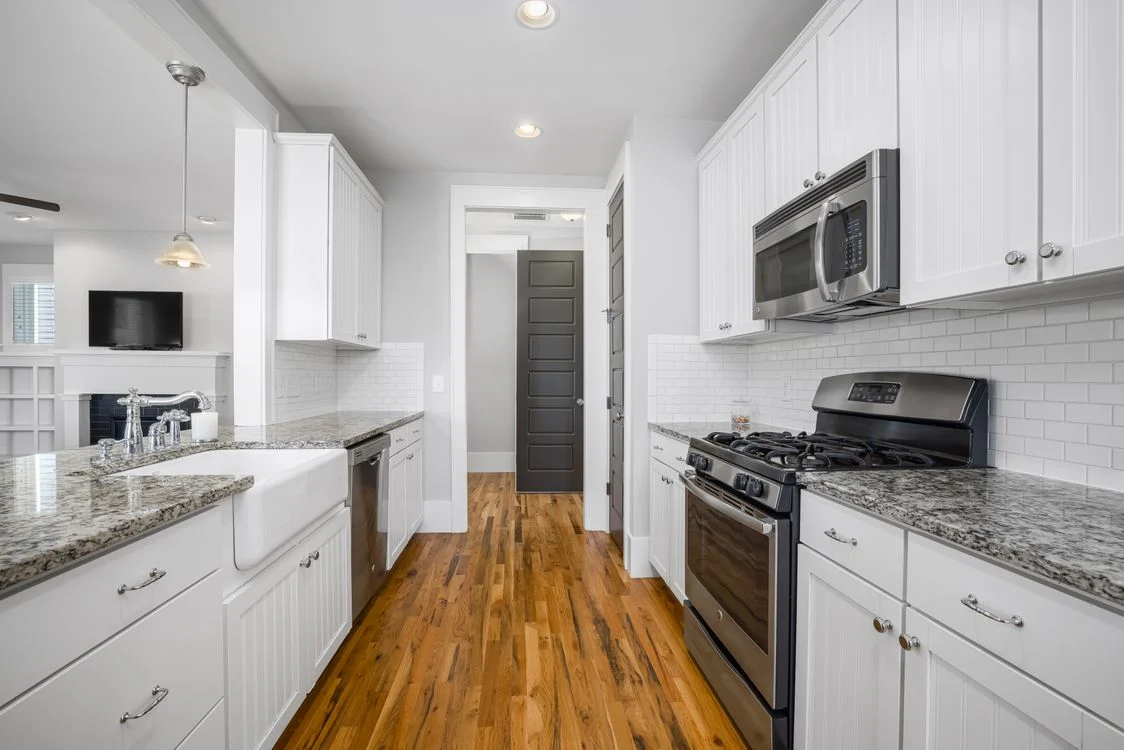
White grout shows every splash. Charcoal grout turns a quiet backsplash into a graph-paper grid. Oyster gray is the middle option most people reach for, and the one most often misjudged in the store aisle. On the sample stick it reads as a soft light gray. On your wall, in your light, it can read warm and calm, or faintly beige and a little dirty. Here is which one you will get.
Quick Facts
- Color family: Light warm gray, leaning slightly taupe (greige)
- Reads as: Clearly gray next to bright white tile; browner next to cream tile or cool blue-gray paint
- Best joint width: 1/8 inch for standard 3×6 subway tile
- Grout type: Unsanded for joints under 1/8 inch; sanded or unsanded at 1/8 inch
- Sealing: Yes for cement grout — a penetrating sealer after full cure
- Wet behavior: Darkens when wet, dries back to normal
What color oyster gray actually is
Oyster gray is a light gray with a warm undertone — a small amount of brown in it, like the warmth in an oyster shell rather than the blue cast of a storm-cloud gray. That warmth is the whole story of this color.
Next to a bright, bluish white subway tile, the contrast makes the grout read as plain light gray, and the warmth barely registers. Next to a warm white or cream tile, tile and grout pull in the same direction and the grout can look almost beige. Neither is wrong, but they are different colors in practice, and the sample stick shows you neither one. It shows the grout under fluorescent light, on its own, already cured.
Two more shifts after install: cement grout dries lighter than it looks wet in the bucket, and keeps lightening over the first days of curing. And it darkens whenever it gets wet, then dries back — in a shower, the wet color can drop a full shade or two from what you saw in the store.
What it does to subway tile
Oyster gray gives you definition without drama: each tile is outlined, the running bond pattern reads from across the room, but the lines stay soft. With glossy white 3×6 tile this is the classic low-risk combination, and it flatters warm metals, wood counters, and matte black hardware.
The softness works against you in patterns that depend on contrast: a herringbone still shows through shadow and sheen, but the zigzag is quieter than in a mid-gray. If the pattern is the point of the wall, go a shade darker. (One more variable: handmade-look tile’s soft edges make joints widen as they run, so the warm undertone shows more than it does with crisp rectified tile.)

Joint width: 1/16 inch vs 1/8 inch
Joint width changes how much grout you see — which changes how much the color matters.
| Joint width | Grout type | How it looks | Watch out for |
|---|---|---|---|
| 1/16 inch | Unsanded only | Hairline seams, modern and tight; grout color is a whisper | Tile must be consistent in size; any lippage (uneven tile heights) is obvious |
| 1/8 inch | Sanded or unsanded | The standard subway look; pattern reads clearly; color has real presence | Slightly more grout to clean; handmade tile edges make lines wavy |
In short: 1/16 inch for rectified tile and a near-invisible seam; 1/8 inch for standard or handmade-look tile; it hides small size differences and gives the defined-but-soft look most people picture with this color.
Sanded vs unsanded
The rule is physics, not preference: sand is aggregate, and aggregate needs room. In a joint under 1/8 inch, sanded grout bridges across the top instead of packing into the joint, leaving weak, crumbly seams. So:
- Under 1/8 inch: unsanded, no exceptions with cement grout.
- At 1/8 inch and wider: sanded is the stronger, standard choice and resists shrinking and cracking better in the wider joint.
- Polished marble, glass, or soft glazed tile: check the bag — sand can scratch delicate surfaces, and finer “unsanded-performance” products exist for exactly this case.
Single-component premixed grouts follow different rules, and are approved for narrow joints and wet areas where cement grout struggles. They cost more, typically two to three times as much per square foot, but they are color-consistent and stain-resistant. Worth it in a shower; standard cement grout, sealed, is fine for a backsplash.
Kitchen vs bathroom: the same color, two different jobs
Kitchen backsplash. Water exposure is low, so oyster gray holds its color well. The enemy is grease and cooking splatter near the range, which can yellow light grout slowly over years. Sealing helps; a quick wipe-down habit helps more. This is the lowest-risk spot for this color. Bathroom walls are nearly as safe — humidity alone does not stain grout; soap scum sitting on it does, and that is a cleaning issue, not a color failure.
Shower walls and floors. This is where oyster gray earns complaints. It darkens every time the shower runs (normal; it dries back), and in a poorly ventilated shower the wettest corners can develop mildew staining that cleaning only partly reverses. With weak airflow, plan on a premium single-component or epoxy-style grout, or pick a shade darker so aging shows less.
Bathroom floors. Be careful. Light-to-mid grout on a floor darkens unevenly — traffic paths soil faster than the edges, and within a year or two the floor can look patchy even when clean. Oyster gray works on floors in a low-traffic powder room. In a family bathroom, go darker.
Cleaning and how it ages
Cement grout is porous. Seal it after full cure (the bag’s cure time, usually a few days) with a penetrating sealer, and reapply every 1–2 years in wet areas, less often on a backsplash. Sealer does not make grout stain-proof; it buys you time to wipe up spills before they soak in.
Clean with a pH-neutral tile cleaner and a soft brush. Skip the vinegar habit: acids etch cement grout, roughening the surface so it holds more dirt next time — a slow spiral that makes light grout look permanently dingy. If joints have gone dark and patchy, a grout colorant (tinted coating, typically $15–$25 a bottle) can reset the color without re-grouting.
Where oyster gray fails
- Cool-toned rooms. Blue-gray paint, cool white tile, and marble with blue-gray veining push oyster gray’s warmth forward until it reads muddy or faintly dirty beige. In a cool scheme, use a cool light gray instead.
- When you wanted crisp. In a high-contrast black-and-white bathroom, it can read as “white grout that got dirty” rather than a chosen color.
- Busy small floors. Hex mosaics and penny tile are mostly grout; a mid-warm tone over that area goes grubby fast.
- Against cream tile, when you wanted separation. Warm on warm blends into one beige field and the pattern disappears.
How to test before you commit
Grout is cheap. Re-grouting is not. A proper test costs about $20–$40:
- Build a sample board. Set 6–10 of your actual tiles on scrap backer board at your chosen joint width, and grout them with the actual product.
- Let it cure fully. Several days, not overnight — judging wet or day-old grout is how people end up surprised.
- Wet half the board and compare halves: that is the dry look and the shower look.
- Carry it around. Hold it against the vanity, counter, floor, and paint color, in morning light and under the room’s actual bulbs — warm bulbs push it browner, daylight-balanced bulbs push it grayer.
- Decide against the room, not the aisle. If it reads even slightly beige where it will live, it will read more beige across an entire wall.
If the board fails, the fix is easy at this stage: move one shade cooler or darker on the same manufacturer’s chart and test again.
FAQ
Is oyster gray grout warm or cool?
Warm. It is a light gray with a brown/taupe undertone, closer to greige than to a blue-based gray — which is why it pairs well with wood, brass, and warm whites, and can look muddy next to cool blue-grays.
Does oyster gray grout need to be sealed?
If it is cement grout, yes, especially in a kitchen or bathroom. A penetrating sealer after full cure slows staining and makes cleaning easier. Premixed single-component and epoxy grouts generally do not need sealing; check the product label.
Will oyster gray make white subway tile look dirty?
It can, in two cases: in a cool-toned room, where its warmth reads as dinginess, and at a very wide joint, where there is simply more mid-tone color on the wall. At a standard 1/8-inch joint in a neutral or warm room, it reads as an intentional soft gray, not dirt.
Sanded or unsanded for a 1/8-inch joint?
Both are sold for 1/8 inch, and either works. Sanded is the traditional pick at that width, for strength. Choose unsanded or a fine-aggregate product if your tile is polished marble, glass, or anything the maker warns can scratch.
Will oyster gray grout darken over time?
In dry areas, very little. In showers and on floors, expect gradual darkening from moisture, soap residue, and ground-in soil — the wettest joints change first. Sealing, ventilation, and neutral cleaners slow it down; a grout colorant can refresh the color later without removing the grout.
Oyster gray is a good color that gets blamed for bad testing. Its warmth is an asset in the warm, wood-and-brass kitchens it is usually bought for, and a liability in the cool, crisp bathrooms it gets dragged into. Set a sample board, look at it wet and dry in your own light, and the color will tell you plainly which room it belongs in — before a single wall tile depends on the answer.
Sources and further reading: Custom Building Products grout colors (PDF); EPA guide to mold and moisture