Dutch Door With a Screen: Costs, Benefits and What to Check Before You Buy
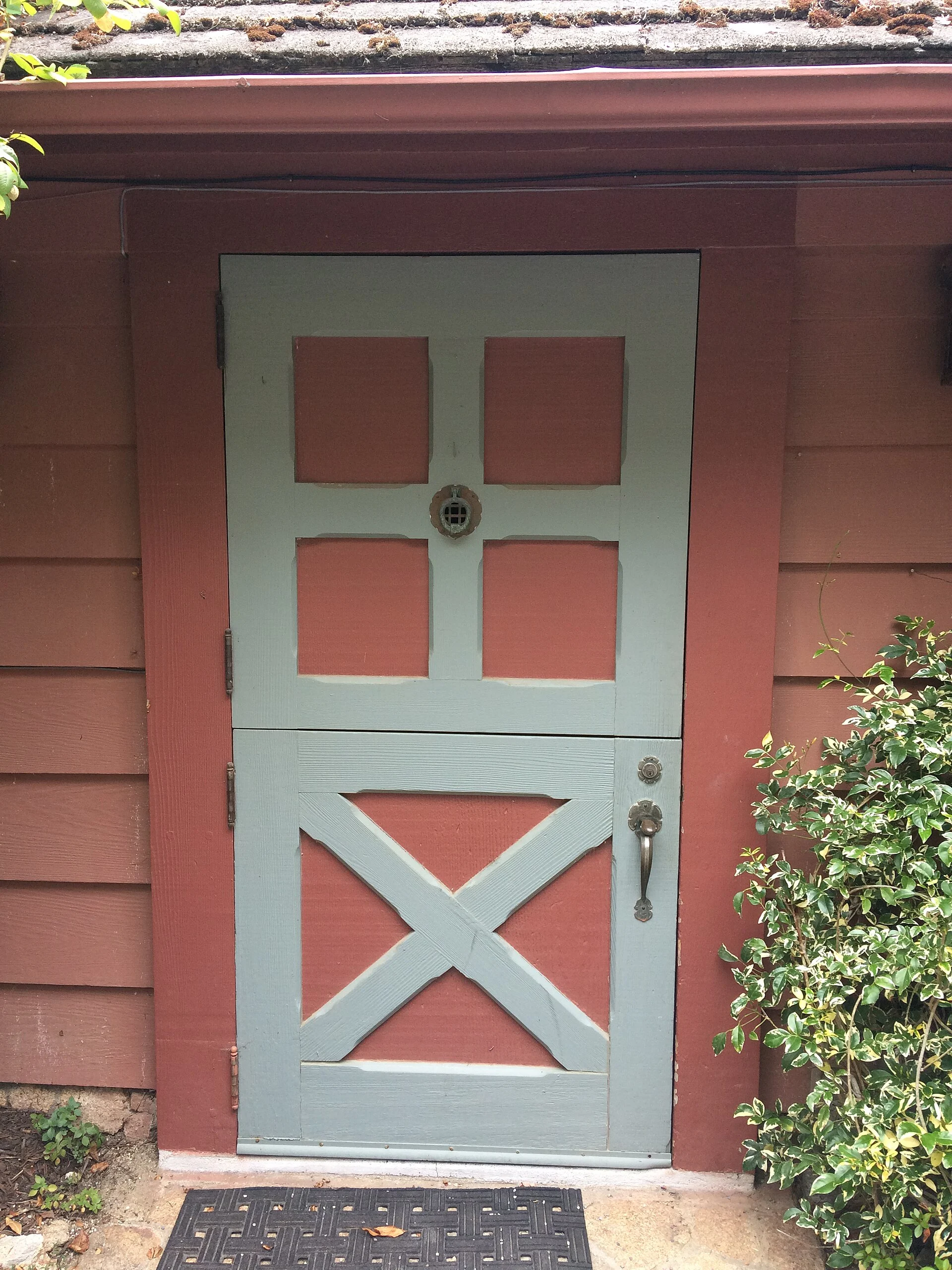
A dutch door is two doors stacked in one opening: a top leaf and a bottom leaf that bolt together and swing as one, or split so the top opens while the bottom stays shut. Add a screen to the top half and you get the version most people actually want — fresh air and a view of the yard, with toddlers, dogs and the neighbor’s cat still on the correct side of the doorway. It is an old farmhouse idea, but also two doors’ worth of hinges, latches and weatherstripping in one frame, and it costs accordingly. Here is how screen versions work, what they really cost, and where buyers get caught out.
Quick Facts
- Standard size: 36 x 80 inches; 32-inch versions for smaller openings
- Typical cost: $400–$1,200 for a basic slab, $900–$2,800 prehung
- Screen options: fixed panel in the top leaf, retractable screen, or separate screen door
- Hardware: hinges and a latch per leaf, plus a bolt joining the halves
- Best locations: kitchen and back doors, mudrooms — sheltered openings only
How a Dutch Door With a Screen Actually Works
Each leaf hangs on its own pair of hinges — two per leaf, sometimes three on a heavy wood door. The bottom leaf carries the main latch and knob that engage the frame. The top leaf latches to the bottom leaf with a surface bolt or a latch built into the meeting rail: bolt thrown, the halves lock together and the door works like a normal one; bolt released, the top leaf swings on its own.
The screen lives in the top half, because that is the half you open; on most factory doors it is a panel that clips in behind the glass or swaps with it. It stops insects, not weather, a determined dog, or a toddler who has figured out latches. A fair-weather door with a very good party trick, then, not a year-round sealed entry.
One detail matters more than any other: the meeting rail, where the two leaves touch. It needs its own weatherstripping or an interlocking edge, and it is the first thing to inspect on any door you consider. A sloppy rail rattles, leaks air all winter, and lets driven rain creep in.
The Three Screen Options
Fixed screen panel. Built into the top leaf, permanently or as a panel that swaps with a glass insert for winter. Cleanest look, most common factory setup. The trade-off: it cannot open, so passing drinks through the top half means passing them over the screen or opening the whole door.
Retractable screen. A roll-up cassette mounts on the inside frame and pulls across the opening when the top leaf is open. Nothing to store, nothing blocking the opening. It adds roughly $150–$400, and the mesh is delicate — a dog’s paw can crease it, and a creased retractable rarely rolls straight.
Separate screen door. A conventional screen door ($100–$350) hung outside the frame, solid dutch door behind it. The most weather-capable arrangement, and usually the cheapest way to screen a dutch door you already own. The cost is clutter: two doors to operate.
Where It Works Best
The classic placement is a kitchen door onto a patio or garden: cooking heat escapes over the half door, you can talk to people outside, and the dog watches without joining the barbecue. Back doors and mudrooms are the same story. Parents of toddlers and owners of door-dashing pets are the other natural audience — the closed bottom leaf is a built-in gate matching the house, though a convenience barrier, never a safety-gate substitute.
The idea travels outdoors, too: a split door on a garden building ventilates while you work and keeps animals out — the same logic that makes a shed with a porch such a practical backyard building applies at door scale. What it does not suit is an exposed front entry: the meeting rail and screen dislike wind-driven rain, and most owners end up keeping it bolted shut — paid double for an ordinary door with a seam.
Security and Weather Sealing: The Honest Part
A dutch door has two latch points that matter — leaf to frame, and leaf to leaf, and the leaf-to-leaf joint is only as strong as its bolt. A small surface bolt is a privacy latch, not a security device. If the door guards the house, spec a deadbolt on the bottom leaf, a sturdier lockable bolt joining the halves, and long screws in the hinge and strike plates. Closed and bolted, a solid wood dutch door is a reasonable barrier. Open at the top with only the screen across, it stops bugs and pets, nothing more — count it as an open window.
On weather: a good dutch door seals better than its reputation, but never as well as a single slab. Beside the usual perimeter weatherstripping sits the horizontal meeting-rail seam, at exactly the height where wind pushes rain at a door. Quality doors use an interlocking or gasketed rail; cheap ones use a flat strip and a hope. Pick a sheltered spot under a porch roof, or budget for a storm door.
What It Costs, by Material
Typical US ranges for a 36 x 80-inch exterior dutch door with a screen arrangement. Dutch doors are a niche product: fewer stock options, longer special-order lead times.
| Material | Slab only | Prehung | Notes |
|---|---|---|---|
| Pine / paint-grade wood | $400–$900 | $900–$1,600 | Cheapest real wood; paint every edge |
| Douglas fir / stain-grade | $800–$1,600 | $1,500–$2,800 | Traditional look; finish upkeep |
| Fiberglass | $700–$1,400 | $1,300–$2,400 | Best weather tolerance |
| Steel | $500–$1,000 | $1,000–$1,800 | Rare in dutch format |
| Custom hardwood | $1,800–$3,500+ | $2,500–$4,500+ | Millwork-shop territory |
On top of the door, hinges, two latch sets and the joining bolt run $60–$200 in decent quality. Match the finish to your other hardware — if you have already gone matte black kitchen hardware inside, the same finish outside keeps the back entry from looking like an afterthought. Pro installation in an existing opening runs $300–$800.
Installation and Retrofitting an Existing Opening
The easiest route is a prehung unit: both leaves arrive hung and aligned at the factory, and fitting it is the same job as any prehung door — pull the old unit, set the frame plumb and level, shim, fasten, seal the gap, trim out. Factory alignment matters more here than on any other door, because four hinge sets and two latches must all agree.
Converting an existing door is the false economy. A hollow-core door cannot be cut in half at all; a solid door cut in half needs a new rail on each cut edge and new latch mortises. Buy the door made as one.
Two checks before ordering. First, check the frame for square with both diagonals — an out-of-square frame that a single slab tolerates leaves a dutch door’s meeting rail visibly crooked, the number one cause of a door that never latches sweetly. Second, check the top leaf’s swing against light fixtures and cabinets. With the trim off, it is also the moment to refresh tired casing — the same fitting skills behind a clean wall panel molding install make trim look factory-fitted, not patched.
On codes: a dutch door serving as a required exit must open without special knowledge or tools, and a fiddly two-handed joining bolt can draw an inspector’s objection on an egress path. Keep at least one full-width exit door in the house, and if this door sits on a sleeping area’s escape route, check with your building department first.
Common Mistakes to Avoid
- Buying on looks without checking the meeting rail. A flat rail with a tiny bolt is the bargain door’s tell.
- Undersizing the hinges. Thin hinges sag within a year, and a sagging top leaf wears a groove in the rail.
- No winter screen plan. Decide before buying — panel, retractable, or storm door, or the screen freezes in place all winter.
- Putting one on a weather-beaten wall. No porch roof plus wind-driven rain equals a leaking meeting rail.
- Treating the bottom leaf as a safety device. Toddlers climb, dogs lean, latches get left unthrown. Convenience barrier only.
Frequently Asked Questions
Can any regular door be cut in half to make a dutch door?
Solid-wood doors can, in skilled hands — each cut edge needs a new rail, plus a second latch set and extra hinges. Hollow-core and molded-panel doors cannot be cut at all. Buying a purpose-made dutch door usually costs less than converting one properly, and its meeting rail arrives engineered to seal.
Does a dutch door with a screen keep bugs out as well as a screen door?
Roughly, yes, with the top leaf closed and the screen in place — the mesh is standard insect screen. The weak spots are the meeting rail and a removable panel’s edges. A separate screen door seals slightly better thanks to its single frame, but a well-fitted panel is close enough that most owners never notice.
How much does it cost to have a dutch door installed?
Typically $300–$800 in labor for a prehung unit in an existing opening. Add the door itself — $900–$2,800 prehung for most wood and fiberglass models, and hardware. Creating or resizing an opening runs $800–$2,000 before materials.
Is a dutch door secure enough for a back door?
Closed, bolted and fitted with a deadbolt on the bottom leaf, yes — comparable to a standard door of the same material. The leaf-to-leaf bolt is the weak link, so choose a substantial one and keep it thrown. With the top open and only the screen across, treat it like an open window at bedtime or when out.
Can a dutch door be used as a front door?
It can, and on a covered porch in a mild climate it works well. On an exposed entry it is a poor choice: the meeting rail faces wind-driven rain, the hardware is more complicated, and most people end up leaving it bolted shut, wasting the point of the design. Set on one at the front? Budget for a storm door over it.